Showing posts with label ball valve. Show all posts

Wednesday, 23 May 2018

Don't get ripped off! How much should you actually pay to get your toilet fixed?

During my years as a plumber I've had lots of my customers telling me how much they paid for previous plumbing work (with a different plumbing company). Of course customers never tell me they feel they didn't pay enough for a job! Sometimes customers tell me because they want me to quote a lower price. Lots of customers are afraid of getting ripped off. All too often customers have been ripped off!

Working out a price can be quite tricky for some jobs. Jobs can at times take longer than expected or require addition parts. I'll give you an example: a customer calls me up and asks for a quote to replace a syphon in their close-coupled toilet because it's not flushing properly. Now, at first this may seem a pretty straightforward, fairly quick fix which just requires one new part (the syphon). In fact there have been times (although not many!) where I didn't even need to replace the syphon, as it was one of those that can be repaired in about ten minutes without dismantling the whole toilet - in these instances I am honest with the customer and they save some money. On the otherhand, I could arrive at the property and the job isn't quite as straightforward. Usually there is a one-piece syphon fitted which means the toilet needs taking apart. This can then be followed by a number of difficult scenarios:
  • can't isolate the water as stop tap is broken
  • the toilet cistern is siliconed (or even worse 'no more nails' has been used) to the wall
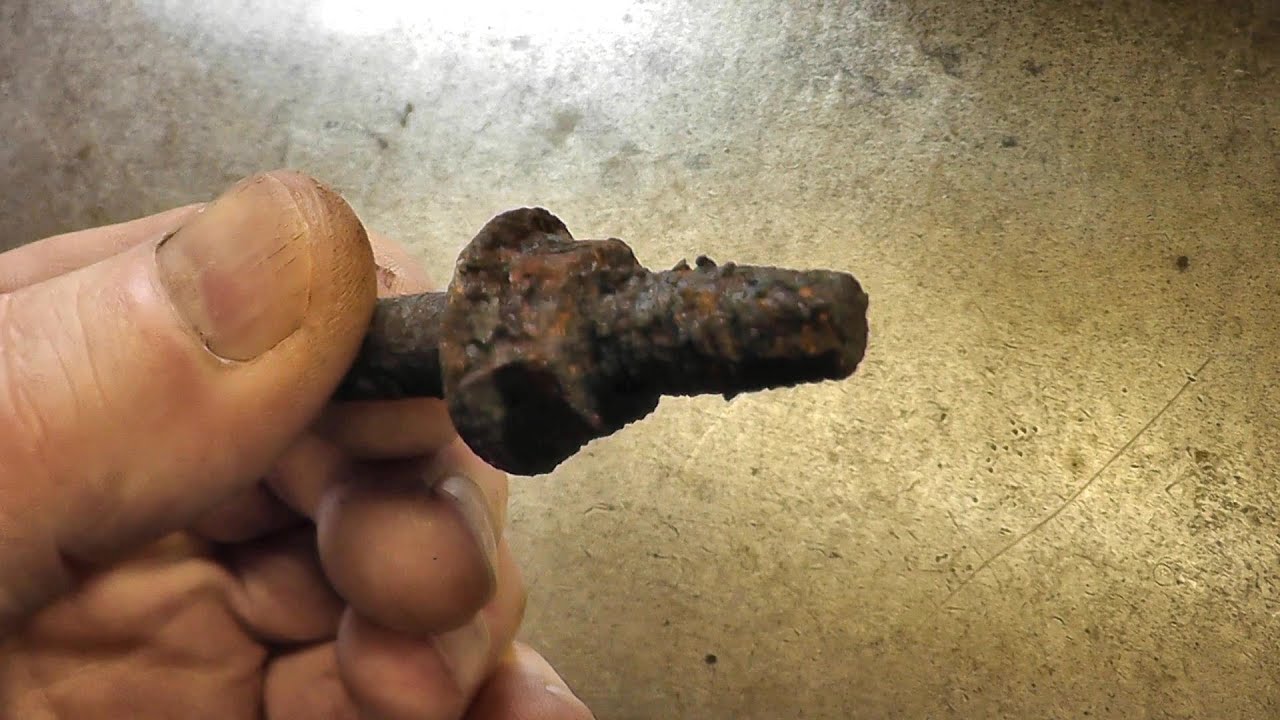
  • the backnuts which hold the cistern to the pan are totally rusted (usually the case unfortunately) and won't undo

When I do eventually get the cistern apart I always replace the metal backplate and also the donut washer.

Image result for toilet siliconed to wall
cistern siliconed to the wall is a common site

Related image
rusty backnuts can be awkward to remove


I apologise if this sounds like I'm moaning. All I'm trying to do is make you aware. Sometimes jobs can be more difficult than they first appear, take longer than anticipated, and require extra parts.

As a plumber you have to take the rough with the smooth. Sometimes jobs go like a dream others turn into a nightmare (bit of an exaggeration!). On my website I list prices for different jobs and I try my best to be honest and fair with customers. At the end of the day I want repeat customers and the best advertisement is through recommendations.

If your toilet needs attention, I do a special toilet overhaul offer at sjeplumbingderby.com/special-offers

If you need other plumbing or gas work doing, make sure you check out my rates at sjeplumbingderby.com/prices


Sunday, 18 February 2018

Why is water coming from my overflow?


There are different types of overflow that you may potentially find in your home. I will go through each one in turn.

1. Overflow from your toilet cistern


One of the main reasons water is coming out of your overflow pipe is because a ball valve or fill valve has failed to cut the water off in your toilet cistern. If the valve fails then the water feed will continue to fill up the cistern. To prevent the water in the cistern overflowing and damaging your property the overflow pipe carries the excess water away and terminates outside your home.

These days most toilets incorporate an internal overflow. So, instead of a separate pipe carrying excess water away, it drains directly into the toilet bowl. You can of course have your flush valve replaced to update your toilet so it has an internal overflow. The internal overflow is a great innovation as it does away with the extra overflow pipework and is also more reliable (overflow pipework can leak and still cause damage to your property).

2. Overflow from your cold water header tank.


If your hot water is supplied by means of a hot water cylinder (usually in the airing cupboard) then you will have a header tank (often in the loft) that keeps your cylinder topped up with fresh water. This will also have a ball valve or fill valve (just like your toilet). If this valve fails then the excess water will be carried away by an overflow pipe and terminate outside your home.

3. Overflow from your central heating feed and expansion tank. 


If you have what is known as an open-vented central heating system then you will have a small feed and expansion tank (usually in your loft). This tank (much smaller than the tank that feeds your hot water cylinder) is used to top up the water in your central heating system (radiators), and also to allow for expansion as the water heats up (that's why it's called a 'feed and expansion' tank!). Just like your toilet and header tank it will have a fill valve (usually a brass ball valve) and of course an overflow to carry away excess water.

4.  Overflow from a combination boiler (pressure relief valve)


If you have a combi boiler then it will have what is known as a pressure relief valve. If your system builds up to much pressure then this relief valve will open and allow water to escape through a pipe and terminate safely outside your property (this escaping water could be hot so needs to terminate in a location that could not scald someone). Pressure relief pipework will be made from copper. Sometimes your pressure relief valve might start 'letting by' resulting in a drip from your external pressure relief pipe. If this is the case, you will notice that your boiler loses pressure and needs topping up on a regular basis.

What can I do to stop my overflow leaking?

In the case of a toilet, header or feed and expansion tanks, the best thing to do in order to stop your overflow pipe leaking is to hire a plumber to fit a new ball or fill valve. Some plumbers will change the washer only. It depends on the individual plumber on what he thinks is the best course of action.


Never Just block the overflow up as all that will happen is the water will fill straight to the top of the tank and then pour through your ceiling. If you are finding it difficult to contact a plumber, then either turn off the mains water stopcock and open all the taps up in the house. This will stop the tank from continuing to fill up and will drain down the level of the water in the tank, to a safe height. 


In the case of water coming from your boiler pressure relief valve you will need a Gas Safe registered plumber. It may be that your pressure relief valve needs replacing if it is just letting by. However, if your central heating system pressure is too high, then this will need further investigation. Don't forget, a pressure relief valve is a safety device to protect you and your property. So make sure you get it sorted.